Stand up paddleboarding (SUP) on Phillip Island takes a beginners experience to a whole new level as well as an advance level paddler. Participants of sit-on-top kayaking activities can enjoy the fantastic wildlife that is present in this coastal corner of Australia viewing beautiful beaches and cove like water importation. With a pleasant climate, several ecosystems, and infrastructures in place, Phillip Island is the perfect place to experience paddleboarding. Depending on your interest, you can either book for bow rider tours, or you can opt for the more traditional ‘one man wet flying’ experience, the island has it all for paddle boarding. In this article, we will discuss what you need to know so that when you visit this wonderful continent you can enjoy paddle surfing as well on the beaches here.
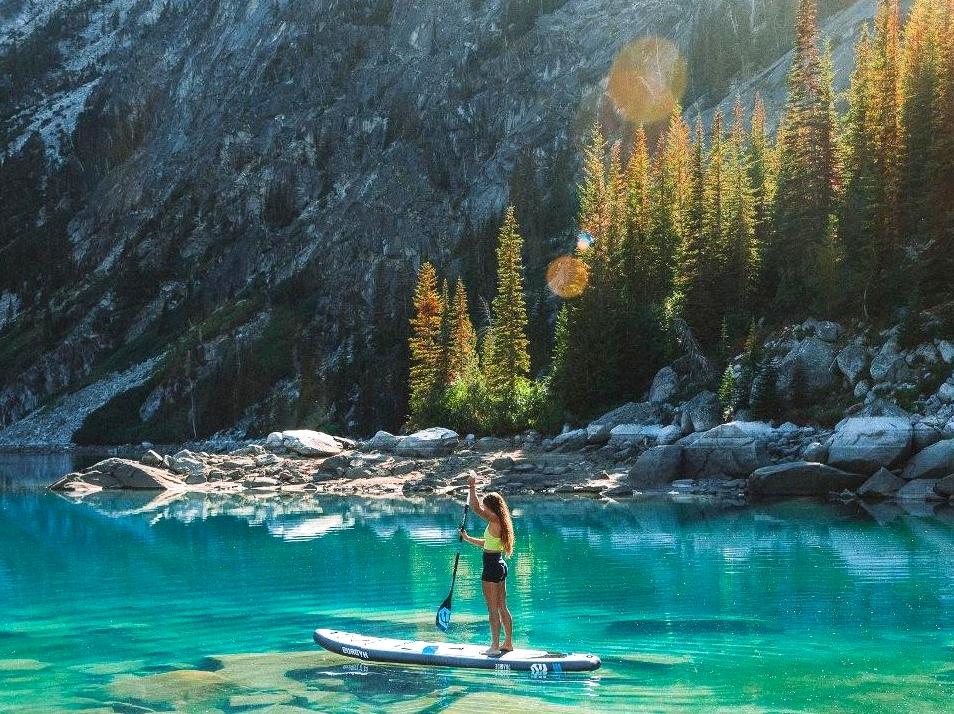
Phillip Island stands out when it comes to paddle boarding destination
Swimming Pool Resemfred Complicated local sites
Phillip Island is one of the most attractive coastal areas in Australia. The views are perfect for stand up paddle boarding from u-shaped surfing beaches and rugged cliffs. While paddling, you are likely to witness such ecosystems such as protected dunes, calm coves, and artworks under marine life. At Cowes and Cape Woolamai, visitors can encounter a variety of photographic landscapes and environments including wildlife such as seals and a range of bird species.
The lovely natural scenery adds value to your paddleboard adventure and provides plenty of avenues for photography. With nature by your side, even those who are new in learning to stand up paddleboard will not be demotivated.
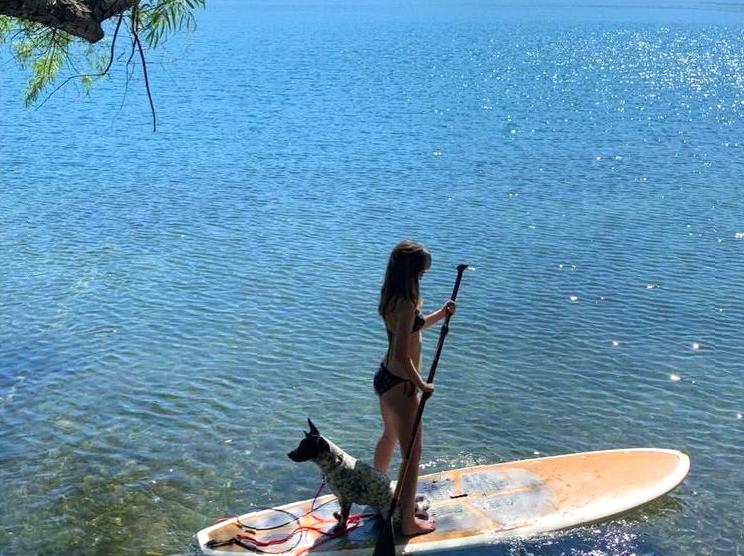
Best Weather for Paddleboarding
Phillip island has a relatively temperate climate making it a very favorable destination for paddleboarding for the better part of the year. The summer season extends between December and February and one can expect warm weather and no or little wind making it friendly for novices. Even in the fall or spring, which are considered the shoulder periods, weather conditions are largely predictable for any form of recreation. However, it is important to refer to the local weather reports as in some places the wind might be too strong and be a hindrance to what you plan on doing. Planning when to go makes quite a big impact on the paddling experience. Consequently, taking time in planning increases the enjoyment and safety on the island during the stand up paddle boarding adventure.
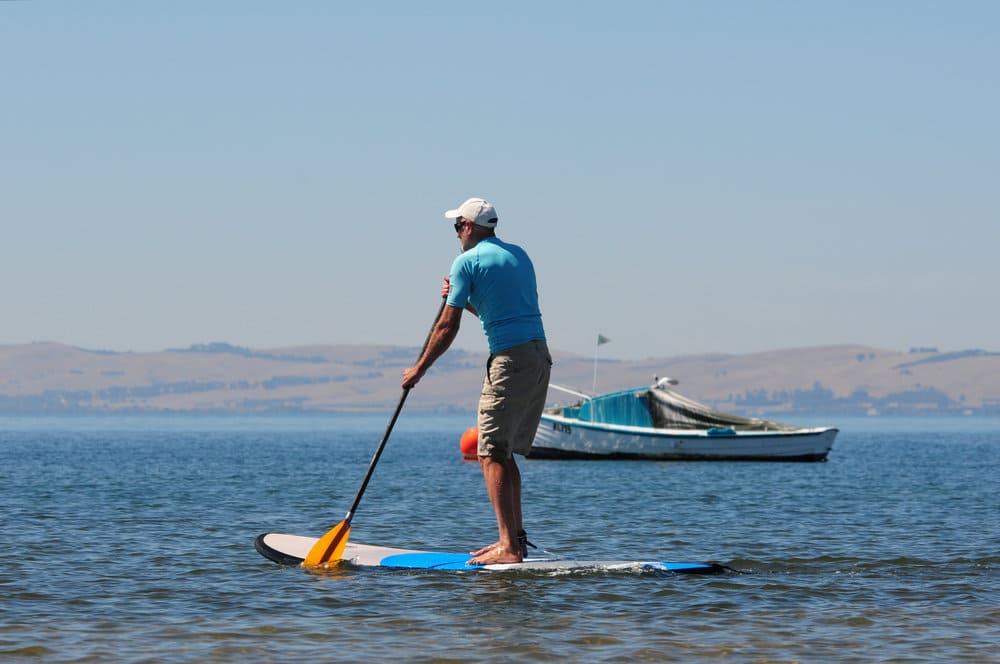
Accessibility and Facilities
Through a number of access points that have been set up around the island for use by stand-up paddleboarders, getting to the water is no hassle. Almost every beach people would go to has a launching area as well and there is also ample parking. On top of this, there are numerous paddleboard, paddle and personal flotation device rental companies which is a relief in case you are not planning to carry your own gear.
Day trips and overnight expeditions are also offered, usually together with competent guides aware of the land and its culture. As a newcomer, joining a guided trip could centralize your education and provide a well-introduced list of paddleboarding basics. Such level of accessibility and level of services gives you the opportunity to concentrate exclusively on mastering the paddle surf.
Stand uo paddle boarding–Where to Begin
What to Have No table of Contents
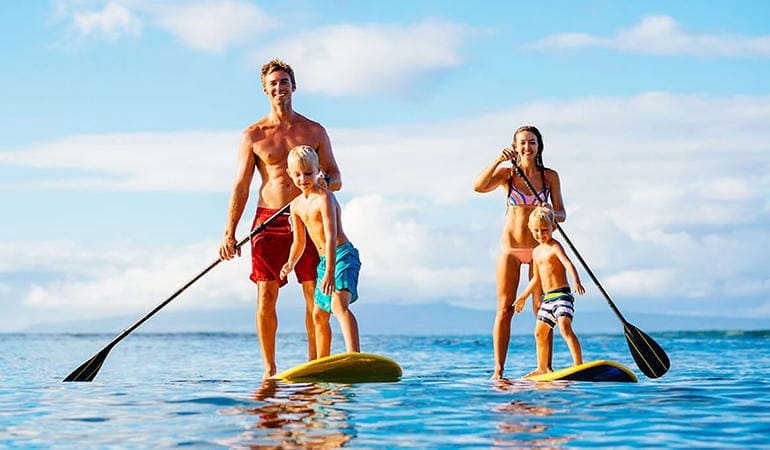
A starter kit is what one requires to be standing on that paddle board. The list of essentials reads – paddle board, a paddle and a life jacket. Most of the time, it is an all-round paddleboard that the people who are new to the sport get screw first because it gives support while they are learning. In addition, a decent paddle should be purchased as well. The paddle should be lightweight and appropriate for the stature of the person. A life jacket is among the most important protective devices. In addition, depending on your personal needs, there exists a possibility of sun protection such as sun block and cap. With the correct equipment, one is made more comfortable and one is free to learn the paddleboarding stroke.
Essential Skills for the Novice
The stance and posture on your paddle board is the first key point to success or to failure in terms of balance. Feet should be approximately shoulder-width apart and the knees should be bent so as to absorb the movement resulting from the water.
While you paddle, make sure that the paddle is deep enough to get the full stroke. Also, tighten your core for better support and keep your back straight to increase your paddling efficiency. Keep in mind that regular practice will develop your abilities over time, therefore, give yourself some time to learn to stand-up paddleboard. By mastering the basics, you will build a strong foundation on which you will make your paddleboarding adventure.
Safety Considerations
Coming to the water surface, it is very important to understand what safety regulations pertain to paddleboarding. Make sure to stay in a life jacket no matter how skilled you are as this will help you if something goes wrong. It is also important to understand the local restrictions, where the over speeding is unacceptable, and where paddle boarders can paddle. Weather and water conditions must be checked before launching for safety reasons. If at all possible, it’s always best to paddle with a buddy for added security. Knowing the risks and ensuring precautions will help you maximize any fun during your SUP activity instead of becoming an accident liability.
Guided Tours and SUP Classes on Phillip Island
Finding the Right Instruction
As a relative newb, it would be helpful to learn in class with the local instructors.
Many schools of SUP in Phillip Island offer workshops that suit your proficiency, if you are a beginner or just want to polish your skills. Competent instructors take you through critical components and practices that make the experience safer and give you more mastery when learning to stand up paddle board. Even with a couple of lessons, you will be surprised with the rate of progress compared to paddling in the open water. Instructors can also point you to some nice places that are good for paddleboarding on the island and what conditions are best for it as well. This kind of approach to learning also provides strong channels of safety that improves the paddleboarding experience for beginners.
Group Tours vs. Alone Touring
One of many advantages of going with a group on a paddleboarding trip is particularly for those who are thankful it is their first time on a paddle board. Group tours most of the time take you to the best sites while at the same time socializing and getting to meet more people with similar interests. Experienced guides can also adapt their services to those of varying skill levels on the other hand the other hand slowly as all members take in the scenery aiming at making a trip for everyone. In the case however you prefer going out alone many find this also to be very soul searching experience. Regardless, for the solo paddler care should be taken in the sense that someone should always know your movements and intentions, the weather should be clear, and all social rules must be followed. At the end of the day, to whether to go for a group tour or do your own explorations could be determined whether one is comfortable and confident to do so or not.
Places on Phillip Island Suitable for Paddleboarding
When learning about a new sport such as SUP, it is just as important to know where to do the corresponding activities. The table below outlines some the perspiring spots for paddle boarding on Phillip Island.
| Location | Details |
|---|---|
| Cowes Beach | The beach has wide large and calm waters making it suitable for novices. |
| Cape Woolamai | It is more scenic and fun for paddle users with an experience. |
| Rhyll Inlet | Water is non-wavy and a chance to see sea animals too. |
With every single one of those locations, you will encounter unique paddles, and you won’t have to leave your comfort zone and skill. Each spot has a unique characteristic that enables you to learn and advance your skills while enjoying the beautiful scenery or the geographical features.
Conclusion
Paddleboarding in Phillip Island is an exciting activity but it also brings the advantage of being one with nature on a tranquil beach. Located in picturesque surroundings, with phenomenal weather and basic infrastructure make the island a destination for all levels of paddlers whether inexperienced or well skilled. Enrolling for classes, putting safety measures in mind as well as being aware of the worst places are some factors that could enhance your paddle boarding experience.
Regardless of your choice of activity on Phillip Island, from a deep immersion in its enticing waters to memories that would linger long after, this remarkable place is full of things that you can get to do or experience. Proper planning and your zest for the sport will do wonders as you embark on your journey to stand up paddleboarding mastery.
FAQs
-
- Do I possess prior paddleboarding competence in Phillip Island?
No, stand up paddleboarding is quite easy, and the many schools in the area offer lessons for first timers.
-
- What is the paddling season for Phillip Island?
Paddleboarding is best done in months of late spring to early autumn, mostly in November to March when weather is friendlier and waters are less turbulent.
-
- Are rental facilities available for paddleboards on Phillip Island?
Of course there are, and there are other paddleboard rental and tours around the island.
-
- What must be the basic equipment for safety while paddleboarding?
A life jacket has to be worn, and also a whistle and sunscreen for protection from sunlight burns.
-
- Can I go out onto the water by myself, or must I always go with a group?
It is possible for a person to be out on a paddle wanting to paddle, but those who are new to the sport should use the services of a guide so that they can learn the necessary skills, get to their destinations safely and eliminate risks.