Darwin to Litchfield Day Trip: Can You Do It in a Small Car in 2026? Yeah, you can do it in a small car – no beating around the bush – I’m just going to say it right off the bat so you don’t have to overthink it. If you’re heading out during the Dry Season and sticking to the main roads with some common sense, a small car is absolutely up to the task. That’s the question I get asked most – in fact, it’s one of the top 3 after “do we really need a 4WD?” and just before someone starts browsing car rental comparison sites.
The thing is, Litchfield isn’t remote, or that gnarly or punishing to your car. Mainly, people get caught out because of poor timing, seasonal variations, and underestimating how hot it’s going to get. If you can get those three right – timing, seasonal awareness and heat management – you can have one of the easiest, most rewarding day trips in the NT.
Why This Park is Great for a Day Trip
Locals always say that Litchfield is the perfect first national park to visit, and there’s a good reason for that. Unlike parks like Kakadu or Nitmiluk, which are huge and logistical nightmares, Litchfield National Park is compact, well signposted, and designed for day trips.
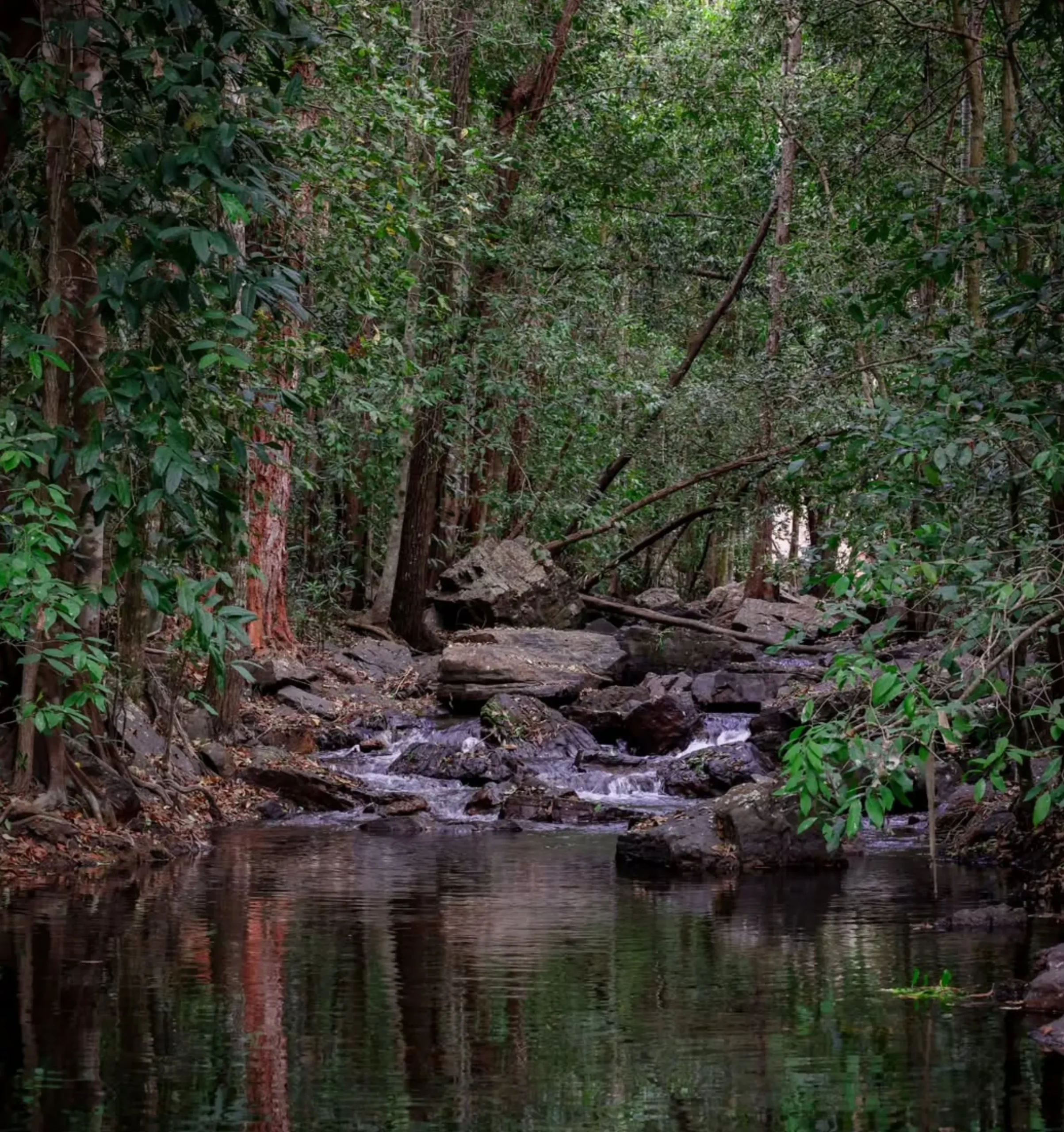
It’s only an hour out of Darwin, and the main attractions are all connected by sealed roads – not by accident, that’s what the park planners had in mind. You get to see waterfalls, monsoon forests, sandstone escarpments and open bushland without the hassle of a multi-day trip.
And that’s why many Darwin tours – including day trips with Wildlife Tours – use Litchfield as their core itinerary. It gives you a real taste of the NT without pushing you (or the car) too far.
Distance, Roads & Being Realistic About Timing
So, from Darwin to Litchfield’s main waterfall loop, you’re looking at doing roughly 130 kilometres each way. On a map, it looks like a quick hop – but on the ground, you should factor in two to two and a half hours on the way out. If you’re doing it right.
You head south on the Stuart Highway, then take a right towards Batchelor – that’s the bit people worry about the most (the park roads themselves), but the truth is they’re sealed, wide and regularly graded – so a standard small car with working aircon will handle it no worries.
When A Small Car Works Just Fine — And When It Falls Over
Timing is everything up north, the Top End that is. Car choice is almost irrelevant – it’s what season you’re visiting in that really matters.
May through October is all about the Dry Season – rock-solid conditions, roads that are pretty much guaranteed to be passable and waterfalls that are just as reliable. It’s the peak time for independent travellers as well as Darwin tours, and that’s when small cars really come into their own.
But things change when the Wet Season rolls in. December through to March can bring some pretty heavy rain, which can close sections of the park off, and the authorities may shut swimming spots due to water quality or because the salties are on the prowl. Sealed roads can shut down too – for a bit – and that’s not the problem – it’s the uncertainty that comes with it.
If you’re planning to head out in the shoulder months, always check the official park website for updates before you go – that’s what the Wildlife Tours operators do daily, so you can too.
Waterfalls You Can Get To Easily In A 2WD – No Worries
Now this is where Litchfield National Park really comes into its own – the park’s most famous swimming spots are all accessible via sealed roads, with proper car parks and some decent visitor facilities.
Take Florence Falls, for example – that’s usually the first stop. You’re only a short walk down from the car park to a reliable plunge pool fed by Florence Creek. Early morning’s the best time to go – before the tour buses arrive and it’s all a bit more peaceful.
Just a few minutes down the road, Buley Rockhole has tiered pools for those who want to cool down gradually. Locals love this spot because you can usually find a quiet corner even on really busy days.
Wangi Falls is quite a bit further on – but it’s worth it for the big bowl – it’s wide, deep, and shaded. The nearby picnic area is great for a break, and there’s a seasonal kiosk to grab a snack. It’s no surprise it’s so popular.
You can also drive up to Tolmer Falls on sealed roads, although swimming isn’t allowed. The viewing platforms offer a great view of the dramatic gorge and help put the park’s ancient rock formations into perspective.
Termite Mounds, Monsoon Forests, And What You See In Between
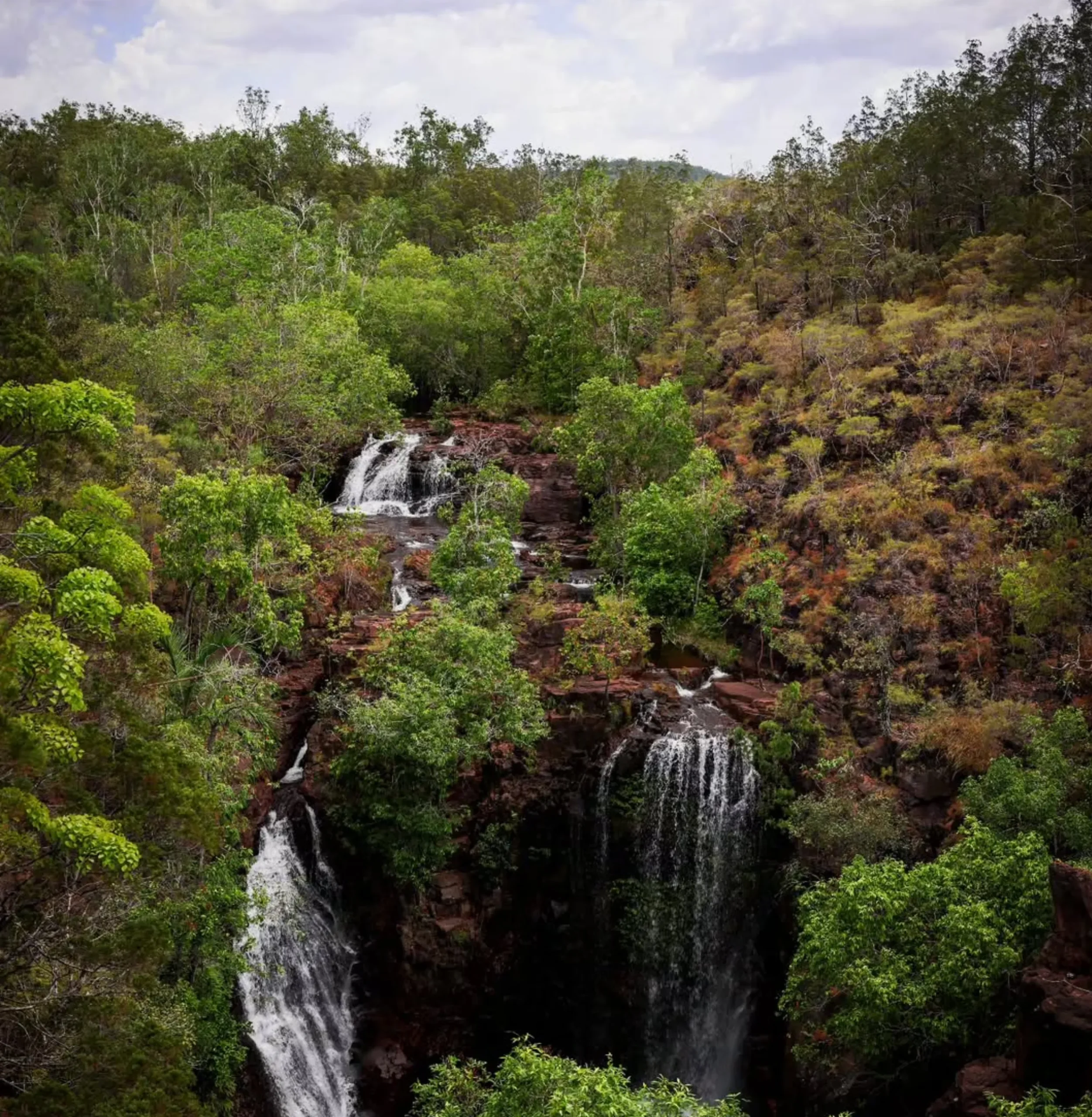
Litchfield’s not just about the swimming holes – the bits in between are pretty interesting too. Between waterfalls, you drive through these pockets of monsoon forest, which can feel almost like the real deal – then you pop out into open savannah with all sorts of termite mounds scattered about.
The Magnetic Termite Mounds are really worth a look – they’re these carefully designed structures that are all perfectly aligned north-south to keep the temperature just right inside. You can walk right up to them from the sealed road – no special vehicle required.
If you are doing one of the Darwin tours, they often take their time between stops – and it’s worth doing the same if you’re driving yourself. The park really reveals itself on the drive as much as it does at the swimming spots.
Crocs, Swimming Safety, and Being Sensible Around Litchfield
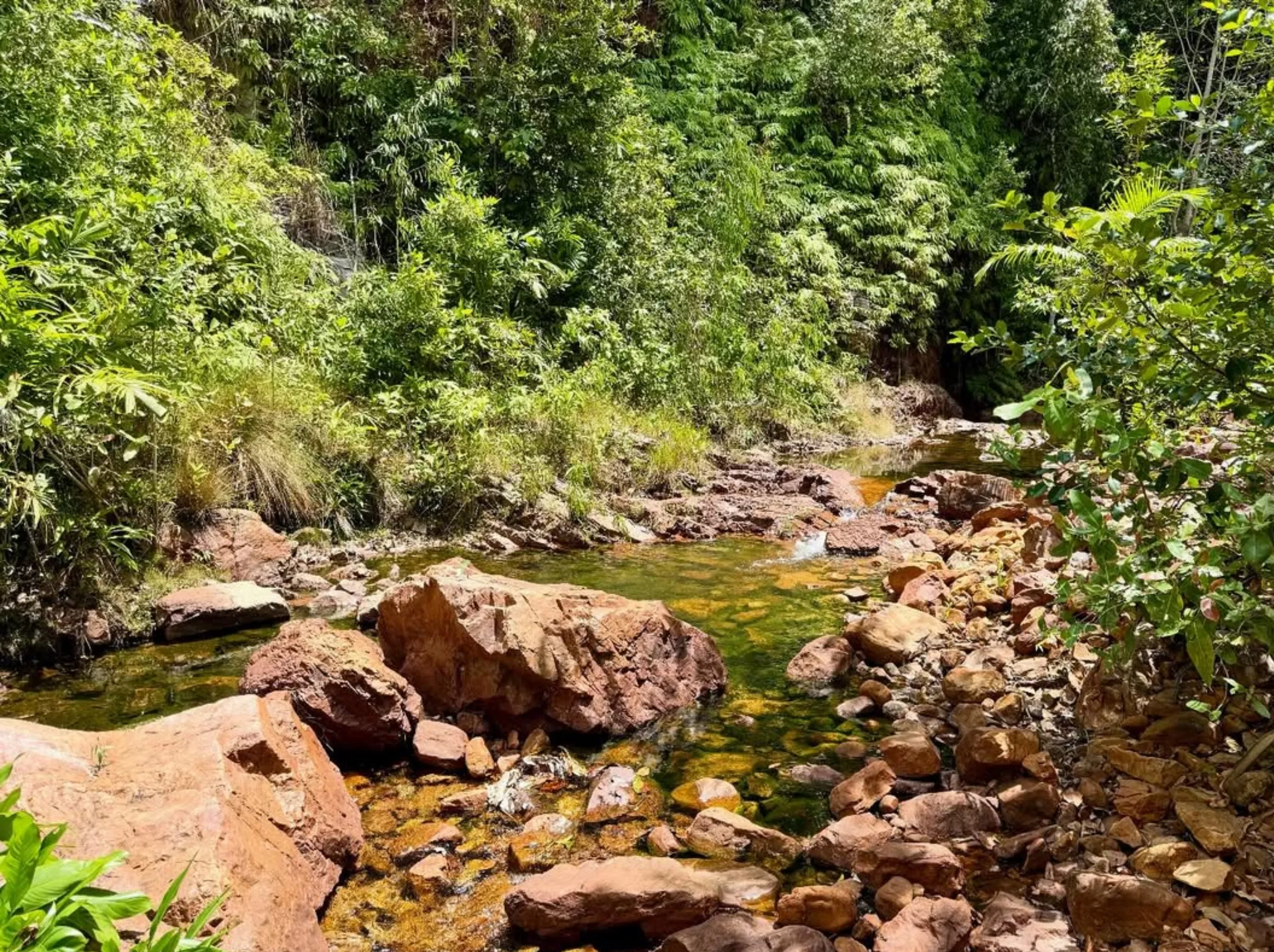
Litchfield’s official swimming areas are pretty safe as long as you do what you’re told and stick to the designated spots. Rangers do keep an eye on the waterways and will shut you down pronto if the conditions change for the worse.
But let’s not kid ourselves – we are in the Northern Territory here, so saltwater crocs are always lurking, and you can bet they’ll be out in force during the Wet Season, chomping their way through the connected systems. Just remember to only swim where the sign says it’s okay and steer well clear of creeks like Greenant Creek or Surprise Creek Falls unless you’re absolutely sure it’s safe to do so.
If spotting a croc is on your bucket list, then Litchfield isn’t the place to be. That’s more of a job for an Adelaide River Crocodile Cruise or out on the Mary River, where the wildlife tour operators specialise in getting you close to the action – and they do it in style.
What You’ll Miss Without A 4WD
Some bits of Litchfield are pretty rough and tumble. Tracks like the Reynolds River Track, Tabletop Track, and routes to Tjaynera Falls and Tjaetaba Falls – you guessed it, they’re made for 4WDs. They’ve got river crossings to navigate, soft sand to get bogged in, and seasonal washouts to avoid.
Unless you’re driving a proper 4WD with the right gear and the experience to match, these routes are going to leave you frustrated – or worse. Don’t even get me started on trying to attempt a day trip in a small car. It’s just going to be a recipe for disaster.
Not having a 4WD doesn’t mean you’ll be missing out on the best bits of the park; in fact, most people who try to cram too much into their day end up seeing less than they would have if they’d just picked a few of the easier spots.
How Different These Parks Really Are
Many people who come to the NT underestimate how different our major parks are.
Kakadu National Park is massive; it’s got world-class rock art like the stuff at Nourlangie Rock, huge waterfalls to gawk at and wetlands to explore like Yellow Water Billabong. It’s mind-blowing, no question – but it’s no casual day trip for a small car.
Nitmiluk National Park, on the other hand, is all about Nitmiluk Gorge, canoeing, hiking, and deep-dive cultural stories, all connected to the region’s Indigenous people. You’ll want at least a full day for that place and probably more.
Litchfield, by contrast, is the NT’s park for people who want to ease in gently. That’s why it features so heavily on Darwin tours, and why Wildlife Tours tend to recommend it as a first-timer’s experience in the NT.
Cultural Context & Showing Respect To Country
Litchfield National Park is situated on land that’s been cared for by Aboriginal people for a very long time. While it’s not a major rock art site, we all have to be mindful of how we treat the place – and that’s reflected in how we let people access it.
Follow the signs, stick to the marked tracks, and don’t wander off into a spot that looks a bit quieter. That might be tempting, but you really should stick to the path. Other places, like Arnhem Land and Nitmiluk, have tighter restrictions, but the principle is the same. Showing respect for the culture is just as important as admiring the landscape.
This is at the heart of what Ethical Adventures in the Top End are all about – whether you’re doing it on your own or joining a guided trip.
Costs, Passes And Nitty Gritty Details
To get into the park, you’ll need an NT Parks Pass, so check the latest prices just before you travel. Prices can change, so it’s always a good idea to check official sources.
Driving out to Litchfield is pretty easy – the fuel costs are pretty low, and a small car will do the job. If you can, it’s worth bringing food from Darwin, unless you’re planning to rely on the kiosk at Wangi Falls, which is only open in the season.
But if you’d rather not drive at all, that’s where guided options come in. Companies like Wildlife Tours offer trips from Darwin that take the hassle out of timing, road checks, and parking, especially during peak season.
Final Word: Is it Worth Doing in a Small Car?
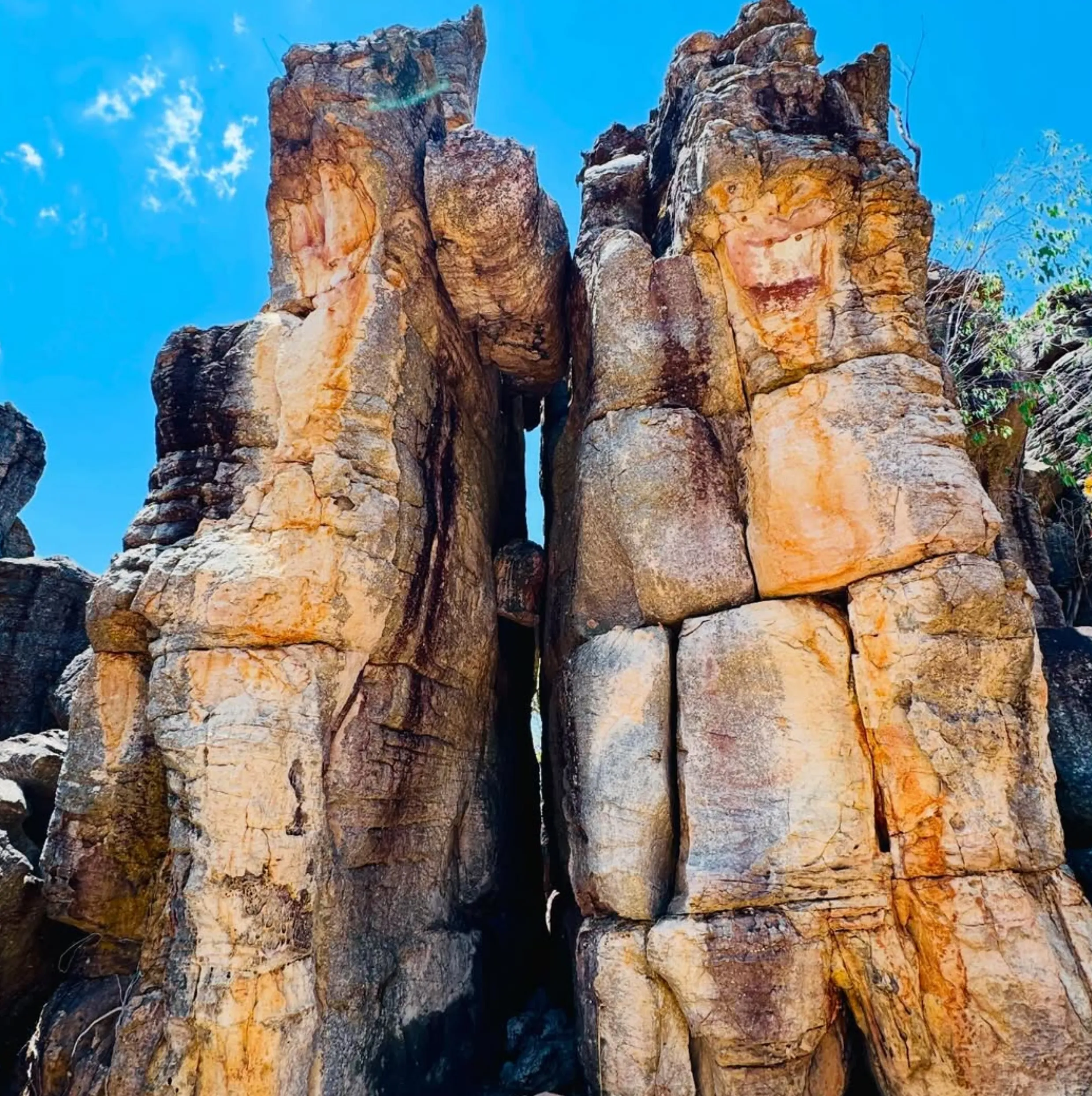
Absolutely. Doing a day trip from Darwin to Litchfield in a small car isn’t a compromise – it’s the sensible way to go. The park’s got sealed roads, reliable swimming spots, and a compact layout, making it one of the easiest National Parks to visit in the Top End.
Just get out there early, mind the season, watch out for crocs, and don’t be over-brave. And if you do that, you’ll be swimming in the clear water under the sandstone cliffs before you know it – while others are still arguing about getting a new 4WD.
If you want to do a trip that combines Litchfield with croc cruises, or maybe even a longer trip through the NT, or would rather leave the driving to someone else, Wildlife Tours do some of the best and most practical trips from Darwin.
Sometimes the smartest move is just to let someone else handle the organisation while you get on with enjoying the swim.
FAQ
Can I really get to all the main sites without a 4WD?
Yes, you can – Florence Falls, Buley Rockhole, Wangi Falls, Tolmer Falls and the Magnetic Termite Mounds are all accessible by sealed roads.
Is one day enough to see Litchfield?
For the highlights and the swimming, yes – but if you want to explore it a bit more, an overnight trip would be worth considering, even if it’s not essential.
Is swimming always allowed?
No, access depends entirely on the conditions and what the park rangers say. Always check the signs when you arrive.
Are crocodiles present in Litchfield?
Yes, they are – the rangers are on top of them, but this is still crocodile country. Just swim where it’s safe.
Should I book a tour instead of driving?
If you want to avoid the hassle, gain some local knowledge, and have all your experiences bundled, a guided trip from Darwin is a good option, especially during peak season.